
There’s a Place for You at
Blackhawk Valley Region SCCA
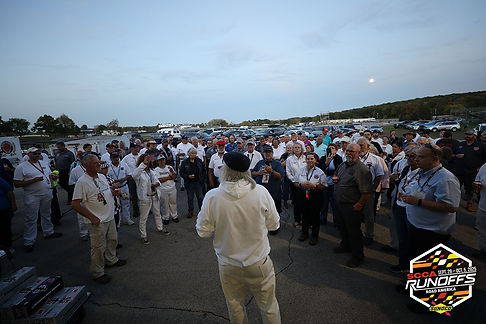
Blackhawk Valley Region is built on people who love racing — volunteers, drivers, families, and fans.
Getting involved doesn’t require experience, special gear, or a racecar.
All you need is interest, enthusiasm, and a desire to learn.
Below are two ways you can join the action:
PATH ONE: BECOME A VOLUNTEER
Our region runs because people like you show up and make racing possible.

Why Volunteer?
-
Get the best views of the action
-
Learn how race weekends work
-
Join a supportive, experienced team
-
Earn worker perks and recognition
-
No prior experience needed — we train you
How to Start
-
Fill out our Volunteer Interest Form
-
Get in touch with our regional administrator
-
Come out to the track
-
Choose a specialty you enjoy
-
Train


Volunteer Specialties
-
Flagging & Communications (F&C)
-
Starters
-
Grid & Pit Lane
-
Stewards
-
Race Admin
-
Timing & Scoring
-
Tech Inspection
-
Registration
-
Fire & Rescue
-
Sound
Flagging & Communications
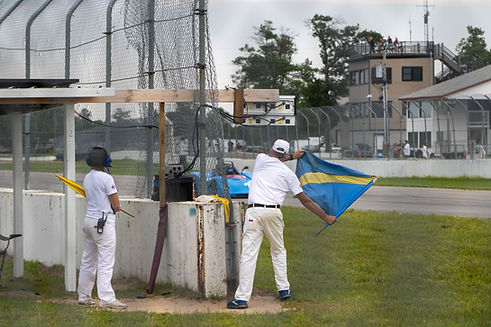
The eyes of the drivers and officials for those things they can’t see. These marshals are an additional set of eyes for drivers and stewards, helping with accident response, and reporting what's happening on track by making radio calls.
In addition to being a keystone in this important role at SCCA events, IndyCar, IMSA, NASCAR and F1 also use SCCA flagging and communication officials and you can frequently find SCCA members stationed on corner at events like the 24 Hours of Daytona the US Grand Prix, the Canadian Grand Prix, and the 24 Hours of Le Mans.

Starters
Some of the most critical and celebrated moments of a race are starts, restarts, and the famous checkered flag. Before a driver can hear, “GREEN! GREEN! GREEN!” over the radio or drive under the checkered flag, it's the starter making sure it can happen.
Pit Lane & Grid
These SCCA officials help drivers line up, be sure they are ready to go, and let them know how long it is before they start their session or race. They are up close with with cars and people and the final step before drivers take to the track.


Stewards
These officials are like referees. They're responsible for keeping the event on schedule, making sure the rules are followed both on- and off-track, and calling the shots if something at the event goes a little sideways.
Technical Inspection
& Scrutineering
Scrutineering offers a close-up view of racecars while working directly with drivers and crew. Scrutineers assist the Chief of Tech with inspections, including weighing cars, checking ride height, verifying engine seals, issuing logbooks, investigating incidents, and performing technical calculations. The role is demanding but essential in ensuring compliance with competition rules.


Registration
Those who lend a hand at registration are the ambassadors to SCCA events. "Registrars" make sure entry lists are ready to go before the event, and are the first smiling face people see at the track, helping welcome the rest of their SCCA family to the facility by making sure they get signed in and receive the proper credentials.
Timing & Scoring
No one can set a lap record, sit on the pole or win a race without someone there to time cars, count laps and score finishes. Only a few years ago this was done with timing lights, pencil and paper – now the equipment is more computer and transponder based. Whether you're computer savvy or not - there is a place for you in the timing and scoring tower.

Race Admin
Support worker and driver comfort by managing water, snacks, and rest breaks.
Race Admin
Support worker and driver comfort by managing water, snacks, and rest breaks.

Race Admin
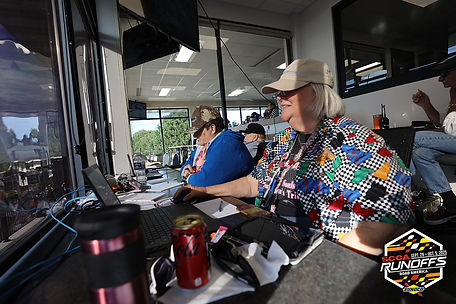
The person that makes the race weekend happen. Take care of the little things that make the weekend of racing a joy.
Support worker and driver comfort by managing water, snacks, and rest breaks.
Sound
SCCA Sound Control Officials monitor and log vehicle sound levels during all on-track sessions, recording data by car and class when readings are unaffected by traffic. Weather conditions and equipment calibrations are also tracked. Cars exceeding limits are reported to the Steward for corrective action, while those near the limit are advised proactively. Reports are shared with competitors, Stewards, and the SCCA National Office for review and recordkeeping.

Two paths. One passion. Choose the driving journey that fits you.
PATH TWO: Drive
START HERE
(BEGINNER)
Perfect for anyone new to motorsport.
GO RACING
(LICENSE PATH)
Ready for wheel-to-wheel? Here’s how.
Autocross (Solo)
The easiest, safest way to start. Bring your daily car, learn car control, and compete against the clock on a cone course. No experience needed.
Non-competitive lapping sessions on a real racetrack. Drivers go at their own pace, focus on learning lines, and build confidence in a safe, structured environment.
Want more challenge? Time Trials puts you on track in timed sessions, chasing your personal best. It’s the bridge between track days and full wheel-to-wheel racing.
What You Need
-
A street-legal car
-
A helmet (loaners often available)
-
SCCA membership or weekend membership
-
Basic safety knowledge (we teach the rest!)
Why Start Here?
These programs let you build skill, get comfortable at Blackhawk Farms, meet the community, and learn at your own pace.
Most drivers begin here before deciding if they want to pursue a full Competition License.
Join SCCA
To drive with SCCA regularly, you’ll need to be a member. When you join, you become a member of both the national SCCA organization and a local region (like Blackhawk Valley).
Complete Online Driver School Modules
SCCA requires two online courses for new drivers. These introduce flags, safety procedures, track communication, and race operations.
Get a Novice Permit
Often called your logbook.
You’ll:
-
Complete the permit application
-
Submit the SCCA medical form (sports physical)
-
Upload everything through SCCA Member Services
Attend Driver School
or Club Race Experience
This is your first real on-track training for wheel-to-wheel racing.
You’ll learn:
-
Race lines
-
Starts & restarts
-
Flags & procedures
-
Racecraft
-
Safety protocols
Read the General Competition Rules (GCR) prior to attending.
Run Novice Races
Complete your three required novice weekends and get sign-offs from event officials.
Upgrade to a Full Competition License
After your schools + novice races, you’re eligible for a Full SCCA Competition License, which lets you race in:
-
Regionals
-
Majors
-
Runoffs-qualifying events
Why Race?
Nothing compares to the adrenaline, precision, and camaraderie of real SCCA road racing — and BVR volunteers and drivers are here to help you every step of the way.